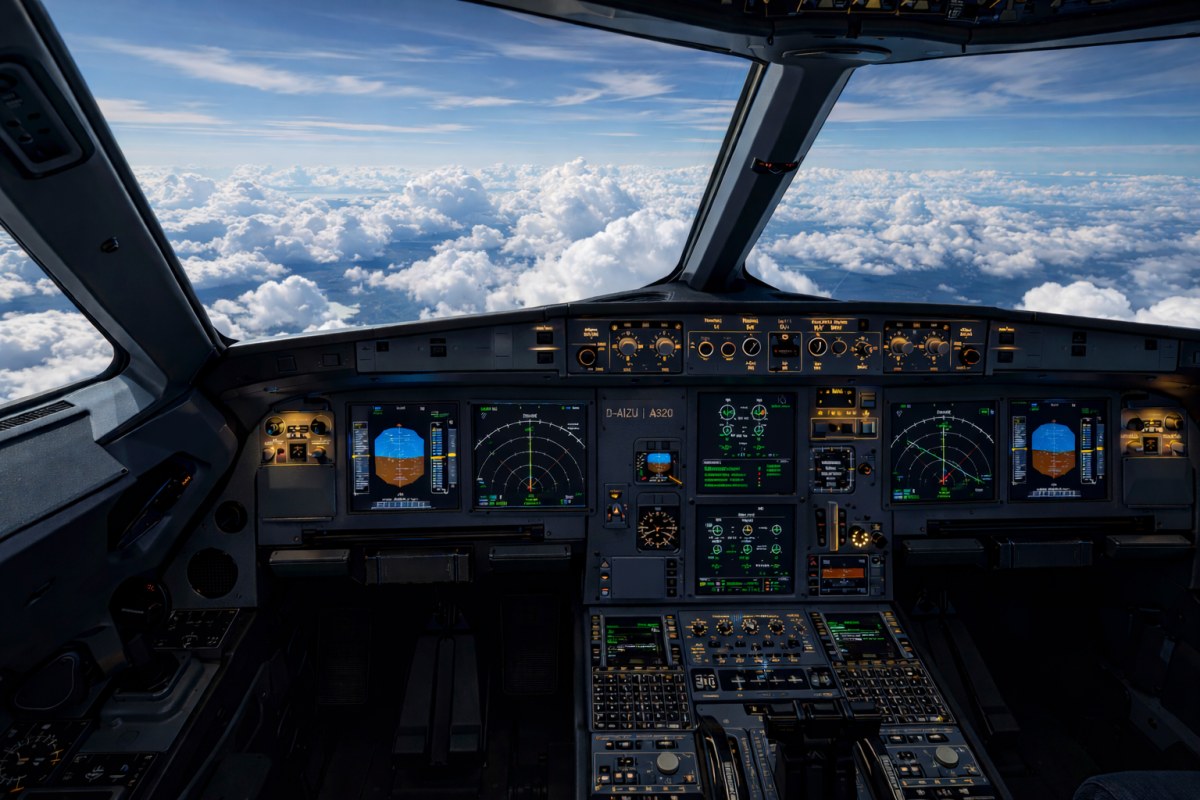
The Evolving Threat Landscape for Avionics Systems
Modern aircraft heavily rely on interconnected avionics for flight control, navigation, and communication. This digital evolution introduces critical cybersecurity vulnerabilities. Sophisticated cyber attackers demand unyielding focus on securing these vital systems. A successful attack risks operational disruptions, economic losses, or even loss of aircraft control, making avionics protection fundamental to flight safety.
Common Attack Vectors Targeting Flight Management Systems (FMS) and Cockpit Electronics
FMS and cockpit electronics are prime targets for data manipulation, malicious command injection, or denial of service. Key attack vectors:
- Supply Chain Compromise: Tampering with hardware/software during manufacturing, maintenance, or deployment.
- Network Infiltration: Exploiting vulnerabilities in Aircraft Information Systems (AIS), Electronic Flight Bags (EFBs), or ground networks (ACARS, SITAONAIR, ARINC) to reach critical avionics.
- Insider Threats: Malicious or unwitting employees with legitimate access facilitating attacks.
- Physical Access/Maintenance Port Exploits: Unauthorized physical access to aircraft or diagnostic ports (USB, Ethernet) for data extraction or code injection.
- Wireless Exploits: Vulnerabilities in aircraft Wi-Fi or satellite communications for proximity access or malicious traffic.
- GPS Spoofing/Jamming: Manipulating external signals (false position data or signal denial) that the FMS relies on.
Understanding these vectors is crucial for building resilient, multi-layered defenses.
Implementing a Robust Defense-in-Depth Strategy
A multi-layered defense-in-depth approach is paramount for protecting avionics, with each layer acting as a barrier against compromise.
Network Segmentation and Isolation
Rigorous network segmentation is fundamental. Critical avionics networks (flight control, navigation) must be logically and physically separated from less critical systems (IFE, cabin Wi-Fi). This prevents breaches from propagating.
AIRLINE_NETWORK --- Firewall --- DMZ --- Ground_Ops_Network
                    |
                    FMS_Gateway --- Secure_Link --- AIRCRAFT_AVIONICS_BUS
                    |
                    In-Flight_Entertainment --- Passenger_WiFi (Isolated)
Data diodes or one-way links should be used for unidirectional data flow. Firewalls and IDPS must be at network boundaries, allowing only essential, authorized traffic.
Secure Software Development and Supply Chain Security
Avionics software integrity is non-negotiable. Airlines and suppliers must adopt Secure Software Development Lifecycle (SSDLC) practices:
- Secure Coding: Adhere to industry guidelines.
- Analysis & Testing: Regular static/dynamic code analysis, penetration testing, and vulnerability assessments.
- Supply Chain Assurance: Stringent vendor vetting, SBOMs, and cryptographic verification of updates.
Authentication, Authorization, and Access Control
Strict controls over avionics system access are vital:
- Strong Authentication: MFA for all critical system access.
- Least Privilege: Grant minimum necessary permissions.
- RBAC: Define roles with specific permissions.
- Secure Boot/Hardware-Rooted Trust: Ensure only authenticated software runs via hardware-based security.
Threat Detection and Response
Effective detection and rapid response are crucial:
- Specialized IDPS: Monitor avionics protocols (ARINC 429, AFDX) for anomalies.
- Behavioral Analytics: Use ML to detect deviations from normal system behavior.
- Centralized Logging: Aggregate logs into a SIEM for real-time analysis.
- Incident Response Plan (IRP): Develop and regularly test an IRP tailored to cyber-physical systems.
Physical Security
Cybersecurity extends to physical measures:
- Aircraft Security: Controlled access, surveillance, tamper-evident seals on critical panels.
- Maintenance Security: Restricted access to maintenance areas; secure diagnostic tools.
- Component Protection: Tamper-detection for critical avionics components; secure storage.
Regulatory Landscape: EASA and FAA Cybersecurity Requirements
EASA and FAA frameworks ensure aircraft system security throughout their lifecycle, mandating a proactive approach to cyber risk management.
EASA Regulations
EASA integrates cybersecurity into aviation safety, emphasizing risk management and organizational capabilities:
- NPA 2018-01: Requires robust Cybersecurity Management Systems (CyMS) as part of Safety Management Systems (SMS), treating cyber risks as safety risks.
- CS-25 Amendment: Incorporates cybersecurity requirements into large aeroplane certification, ensuring new designs address cyber risks.
- ED Decision 2021/014/R: Provides Acceptable Means of Compliance (AMC) and Guidance Material (GM) for practical compliance in risk assessment, organization, and incident response.
"Aviation organizations must integrate cybersecurity risk management into their overall safety management systems, ensuring a holistic approach to security from design to operation and maintenance. This ensures that cyber risks are treated with the same rigor as traditional safety hazards."
FAA Regulations and Guidance
The FAA, with industry partners, provides comprehensive guidance for securing aircraft systems:
- AC 20-192: Best practices for aircraft systems cybersecurity, from design to maintenance.
- DO-326A (RTCA): Specifies a process for airworthiness security, defining activities to mitigate risks during aircraft development.
- DO-356A (RTCA): Companion to DO-326A, detailing methods for security assessments and requirements.
- FAA Order 8000.369: Broader cybersecurity guidance for civil aviation.
Both EASA and FAA collaborate with ICAO, RTCA, and EUROCAE to harmonize standards. Compliance is a fundamental commitment to safety.
Practical Implementation Steps for Aviation Cybersecurity Teams
Translating regulatory requirements and strategies into actionable steps requires technical expertise, organizational commitment, and continuous improvement.
Conduct Comprehensive Cybersecurity Risk Assessments
Understanding threats and vulnerabilities is foundational:
- Critical Asset Identification: Catalog all avionics systems, assessing criticality.
- Attack Surface Mapping: Analyze all potential entry points (physical, wireless, data links, maintenance, supply chain).
- Threat Modeling: Use frameworks (STRIDE, PASTA) to identify threats and attack paths.
- Vulnerability Analysis: Regular scans, penetration tests
Die zunehmende Abhängigkeit von digitalen Systemen in modernen Flugzeugen, von Flugmanagementsystemen (FMS) bis hin zu In-Flight Entertainment (IFE), hat neue Vektoren für Cyberbedrohungen eröffnet. Während sich die Luftfahrt historisch auf physische Sicherheit und Flugsicherheit konzentrierte, erfordert der digitale Bereich nun gleiche Aufmerksamkeit. Anspruchsvolle Angreifer, von staatlich unterstützten Gruppen bis hin zu Cyberkriminellen, suchen ständig nach Schwachstellen. Der Schutz der Avionik ist nicht nur eine Frage der Datensicherheit; er ist von grundlegender Bedeutung für die Flugsicherheit und die operative Integrität.
Die wachsende Bedrohungslandschaft für Avioniksysteme
Moderne Aircraft sind hochgradig vernetzte Systeme, in denen Operational Technology (OT) und Information Technology (IT) zunehmend konvergieren. Diese Komplexität erweitert die Angriffsfläche erheblich. Angreifer sind motiviert durch eine Vielzahl von Zielen, darunter Sabotage, Spionage, Erpressung oder sogar Terrorismus, was die Notwendigkeit robuster Cybersicherheitsmaßnahmen unterstreicht.
Aktuelle Bedrohungsvektoren
Die Angriffswege auf Avioniksysteme sind vielfältig und entwickeln sich ständig weiter:
- Supply Chain Attacks: Manipulation von Hardware oder Software während des Herstellungsprozesses oder der Lieferkette, die unbemerkt in kritische Systeme gelangen kann.
- Insider Threats: Böswillige oder fahrlässige Handlungen von Mitarbeitern mit privilegiertem Zugang, die von Datenexfiltration bis zur Installation nicht autorisierter Software reichen können.
- Netzwerkintrusionen: Ausnutzung von Schwachstellen in Kommunikationssystemen wie ACARS (Aircraft Communications Addressing and Reporting System), SATCOM (Satellite Communication) oder Wi-Fi-Netzwerken, die eine Brücke zu kritischeren Systemen bilden könnten, insbesondere durch unzureichend getrennte IFE-Systeme.
- Physischer Zugang: Unautorisierter Zugang zu Flugzeugen oder Wartungsports, über die Malware eingeschleust oder Daten extrahiert werden könnten.
- Software-Schwachstellen: Fehler oder Lücken in der Avioniksoftware, die ausgenutzt werden können, oft bedingt durch Legacy-Systeme oder unzureichende Entwicklungspraktiken.
- GPS-Spoofing und -Jamming: Störung oder Manipulation von GPS-Signalen, die die Navigation beeinträchtigen und die Situationswahrnehmung der Piloten stören können.
Ziele von Angreifern
Die Motivationen reichen von der Beeinträchtigung der Flugsicherheit (z.B. Manipulation von FMS oder Autopilot) über Datendiebstahl (sensible Betriebsdaten, Passagierinformationen) und Reputationsschaden bis hin zu Erpressung durch Ransomware. Der LOT DDoS-Angriff von 2015, der die Bodenabfertigung beeinträchtigte, zeigt die weitreichenden Auswirkungen, auch wenn die Flugzeuge selbst nicht direkt kompromittiert waren.
Verteidigung in der Tiefe: Eine mehrschichtige Sicherheitsstrategie
Eine effektive Cybersicherheitsstrategie erfordert eine "Verteidigung in der Tiefe" (Defense-in-Depth), bei der mehrere voneinander unabhängige Sicherheitsebenen implementiert werden, um einen vollständigen Durchbruch zu verhindern.
Segmentierung und Isolierung
Die strikte Trennung von Netzwerken und Systemen ist fundamental:
- OT- vs. IT-Netzwerke: Kritische Operational Technology (OT)-Netzwerke müssen streng von den Information Technology (IT)-Netzwerken der Fluggesellschaft getrennt sein, um eine Übergreifung von Angriffen zu verhindern.
- Airborne vs. Ground Systems: Klare Isolierung und streng kontrollierte Kommunikationsgateways zwischen Bord- und Bodensystemen.
- Funktionale Segmentierung: Unterteilung verschiedener Avioniksysteme an Bord in separate Domänen, idealerweise durch physische oder robuste logische Trennung (z.B. VLANs mit strengen Firewall-Regeln). Unidirektionale Datendioden können hier zur Anwendung kommen.
Robuste Authentifizierung und Autorisierung
Der Zugang zu kritischen Systemen muss streng kontrolliert werden:
- Multi-Faktor-Authentifizierung (MFA): Implementierung von MFA für jeden Zugang zu kritischen Avioniksystemen.
- Prinzip des geringsten Privilegs: Minimale Zugriffsrechte für Benutzer und Systeme.
- Rollenbasierte Zugriffskontrolle (RBAC): Granulare Kontrolle über den Systemzugang durch klar definierte Rollen und Berechtigungen.
Sichere Softwareentwicklung und -wartung
Sicherheit muss über den gesamten Software-Lebenszyklus gewährleistet sein:
- Secure Development Life Cycle (SDLC): Integration von Sicherheitsaspekten in jede Phase der Softwareentwicklung, einschließlich sicherer Codierungsrichtlinien und Code-Reviews.
- Regelmäßige Schwachstellenanalysen und Penetrationstests: Unabhängige Überprüfung von Avioniksoftware und -hardware.
- Manipulationserkennung: Implementierung kryptografischer Signaturen für Software-Updates und Mechanismen zur Erkennung von Manipulationen an Software, Firmware und Hardware.
Intrusion Detection und Monitoring
Früherkennung und Reaktion auf verdächtige Aktivitäten sind entscheidend:
- Anomalieerkennung: Überwachung von Netzwerkverkehr und Systemverhalten auf Abweichungen.
- Zentralisiertes Logging und SIEM: Erfassung, Korrelation und Analyse von Sicherheitsprotokollen aus allen Systemen mithilfe eines Security Information and Event Management (SIEM)-Systems.
- Echtzeit-Überwachung: Kontinuierliche Überwachung kritischer Avionikparameter.
Physische Sicherheit
Cybersicherheit beginnt mit physischer Sicherheit:
- Kontrollierter Zugang: Beschränkter und überwachter Zugang zu Flugzeugen, Hangars und Wartungsbereichen.
- Manipulationssichere Siegel: Anbringung von Siegeln an Wartungsports oder Gehäusen zur Erkennung unautorisierten Zugangs.
Regulatorische Anforderungen und Industriestandards
Die Luftfahrtindustrie ist eine der am stärksten regulierten Branchen weltweit. EASA und FAA haben maßgebliche Rahmenwerke entwickelt, um die Cybersicherheit von Luftfahrtsystemen zu gewährleisten.
EASA (European Union Aviation Safety Agency)
Die EASA hat Cybersicherheitsvorschriften für die zivile Luftfahrt in Europa etabliert:
- CS-25 Amdt 25, Appendix D – Airworthiness Security: Dieser Anhang verpflichtet Hersteller und Betreiber, die Cybersicherheit bereits im Design- und Zertifizierungsprozess von Großflugzeugen zu berücksichtigen, inklusive systematischer Analyse von Bedrohungen und Schwachstellen und der Implementierung entsprechender Maßnahmen.
- EUROCAE ED-202A (Concepts and Principles) und ED-203A (Process Specification): Diese EUROCAE-Dokumente sind von der EASA als akzeptable Nachweisverfahren (Acceptable Means of Compliance, AMC) anerkannt. Sie beschreiben die grundlegenden Konzepte und den detaillierten Prozess zur Gewährleistung der Luftsicherheit über den gesamten Lebenszyklus eines Flugzeugs, von der Bedrohungsmodellierung bis zur kontinuierlichen Überwachung.
Neue Flugzeugprogramme müssen beispielsweise einen "Security Program Plan" vorlegen, der die Cybersicherheitsanforderungen detailliert abdeckt.
FAA (Federal Aviation Administration)
Die FAA verfolgt ähnliche Ziele wie die EASA in den Vereinigten Staaten:
- AC 20-192 (Airworthiness Security Process): Dieses Advisory Circular bietet Richtlinien für die Anwendung eines Luftsicherheitsprozesses auf Luftfahrtsysteme und -produkte, die für die Installation in zivilen Flugzeugen vorgesehen sind, um Cyberrisiken zu mindern.
- RTCA DO-326A (Process Specification) und DO-356A (Methods and Considerations): Von der FAA als akzeptable Nachweisverfahren anerkannt, spiegeln diese RTCA-Dokumente die EUROCAE-Pendants wider. Sie definieren den Prozess und die detaillierten Methoden für die Luftsicherheit während Entwicklung, Implementierung und Wartung.
Die FAA fordert von Betreibern ein umfassendes "Security Management System" (SMS), das Cybersicherheitsrisiken als integralen Bestandteil der Gesamtsicherheitsstrategie behandelt.
Zusammenwirken der Behörden und Industriestandards
Internationale Zusammenarbeit ist entscheidend. Organisationen wie die ICAO (International Civil Aviation Organization) arbeiten an globalen Rahmenwerken und Empfehlungen, um eine konsistente Cybersicherheit in der Luftfahrt weltweit zu fördern. Die Angleichung von Standards wie den EUROCAE- und RTCA-Dokumenten zeigt den globalen Konsens über einen harmonisierten Ansatz.
Praktische Implementierungsschritte für Cybersecurity-Teams
Für Cybersecurity-Teams in Fluggesellschaften und MRO-Betrieben (Maintenance, Repair, and Overhaul) ist die Umsetzung dieser Prinzipien und Vorschriften in konkrete, umsetzbare Schritte entscheidend.
Risikoanalyse und Bedrohungsmodellierung
Der erste Schritt ist ein tiefes Verständnis der eigenen Angriffsfläche und potenziellen Bedrohungen:
- Identifizierung kritischer Assets: Eine detaillierte Bestandsaufnahme aller Avioniksysteme, deren Funktionen, Abhängigkeiten und potenziellen Auswirkungen eines Ausfalls.
- Bedrohungsmodellierung: Systematische Analyse potenzieller Angriffswege und Schwachstellen, z.B. mittels STRIDE (Spoofing, Tampering, Repudiation, Information Disclosure, Denial of Service, Elevation of Privilege) oder DREAD (Damage, Reproducibility, Exploitability, Affected Users, Discoverability), zur Kategorisierung und Bewertung von Risiken.
- Regelmäßige Aktualisierung: Da sich Bedrohungen und Systeme ständig weiterentwickeln, müssen Risikoanalysen kontinuierlich überprüft und aktualisiert werden.
"Die größte Bedrohung ist nicht das, was wir nicht wissen, sondern das, was wir zu wissen glauben, aber falsch ist."
Aufbau eines spezialisierten Teams
Cybersicherheit in der Luftfahrt erfordert eine einzigartige Mischung aus Fachwissen:
- Interdisziplinäre Expertise: Stellen Sie ein Team zusammen, das sowohl über fundierte Kenntnisse der Luftfahrttechnik (Avionik, Flugbetrieb) als auch über tiefgreifendes Cybersecurity-Wissen (Netzwerksicherheit, Software-Sicherheit, Incident Response) verfügt.
- Kontinuierliche Schulung: Regelmäßige Schulungen und Sensibilisierungsprogramme für alle Mitarbeiter, insbesondere für diejenigen mit Zugang zu kritischen Systemen, zu Themen wie Phishing, sicheren Betriebspraktiken und der Meldung verdächtiger Aktivitäten.
Integration in den Lebenszyklus
Sicherheit muss von Anfang an in alle Prozesse integriert werden:
- "Security by Design": Stellen Sie sicher, dass Cybersicherheitsanforderungen bereits in der Konzeptions- und Designphase neuer Systeme und bei der Beschaffung von Komponenten berücksichtigt werden.
- Sichere Konfiguration und Patch-Management: Implementieren Sie Prozesse für die sichere Konfiguration aller Systeme und die zeitnahe Anwendung von Sicherheitspatches und Updates. Dies erfordert sorgfältige Tests und Validierungen, besonders bei Legacy-Systemen.
- Vulnerability Disclosure Programs: Etablieren Sie Kanäle, über die externe Forscher und Experten Schwachstellen sicher und verantwortungsbewusst melden können.
Ein Beispiel für eine sichere Konfigurationsrichtlinie ist die Deaktivierung unnötiger Ports und Dienste auf Avionik-Computern:
# Beispiel: Deaktivierung ungenutzter Netzwerkdienste auf einem Avionik-System
# Dies ist ein vereinfachtes Pseudo-Code-Beispiel.
function apply_secure_configuration(system_id):
    if system_id == "FMS_CRITICAL_UNIT":
        # Definiere erlaubte Dienste
        allowed_services = ["ACARS_COMM_SEC", "FMS_NAV_DATA"]
        for service in get_active_network_services():
            if service not in allowed_services:
                log_security_event("SERVICE_DISABLED_NON_ESSENTIAL", service)
                disable_network_service(service)
                audit_log("Non-essential service disabled: " + service)
    else:
        log_error("Unknown system ID for secure configuration application.")
Incident Response und Wiederherstellung
Trotz aller Präventionsmaßnahmen ist ein vollständiger Schutz nicht möglich. Ein robuster Plan für den Ernstfall ist unerlässlich:
- Entwicklung von Incident Response Plänen: Ausführliche Pläne für die Erkennung, Eindämmung, Analyse und Wiederherstellung nach einem Cybersicherheitsvorfall, speziell zugeschnitten auf Avioniksysteme.
- Regelmäßige Übungen: Durchführung von "Tabletop-Übungen" und Live-Simulationen, um die Effektivität des Incident Response Plans zu testen und das Team auf den Ernstfall vorzubereiten.
- Forensische Fähigkeiten: Aufbau von Fähigkeiten zur digitalen Forensik, um Angriffe nachvollziehen, die Ursache identifizieren und zukünftige Angriffe verhindern zu können.
Zusammenarbeit mit Stakeholdern
Cybersicherheit in der Luftfahrt ist eine Gemeinschaftsaufgabe:
- Partnerschaften: Enge Zusammenarbeit mit Flugzeugherstellern (OEMs), Zulieferern, MRO-Betrieben und Flugsicherungsdienstleistern (ANSPs), um End-to-End-Sicherheit zu gewährleisten.
- Informationsaustausch: Aktive Teilnahme an branchenweiten Informationsaustauschprogrammen, wie den Aviation ISACs (Information Sharing and Analysis Centers), um aktuelle Bedrohungsdaten und Best Practices auszutauschen.
Der Schutz von Avioniksystemen vor Cyberangriffen ist eine komplexe, aber absolut kritische Aufgabe, die ein ganzheitliches und proaktives Vorgehen erfordert. Durch die Implementierung einer mehrschichtigen Verteidigungsstrategie, die Einhaltung strenger regulatorischer Vorgaben und die kontinuierliche Anpassung an die sich entwickelnde Bedrohungslandschaft können Fluggesellschaften die Sicherheit ihrer Operationen gewährleisten und das Vertrauen der Öffentlichkeit in die Flugsicherheit aufrechterhalten. Es ist eine fortlaufende Anstrengung, die Engagement, Investitionen und eine Kultur der Cybersicherheit in allen Bereichen der Organisation erfordert.
Interested in Aviation Safety?
Get expert consulting on aviation safety management, compliance, and risk assessment for your organization.
Get in Touch
Interesse an Flugsicherheit?
Erhalten Sie Expertenberatung zu Flugsicherheitsmanagement, Compliance und Risikobewertung für Ihr Unternehmen.
Kontakt aufnehmen